Project Gallery
Explore our collection of engine builds and restorations.
Projects
Alfa Romeo 105 1600GT
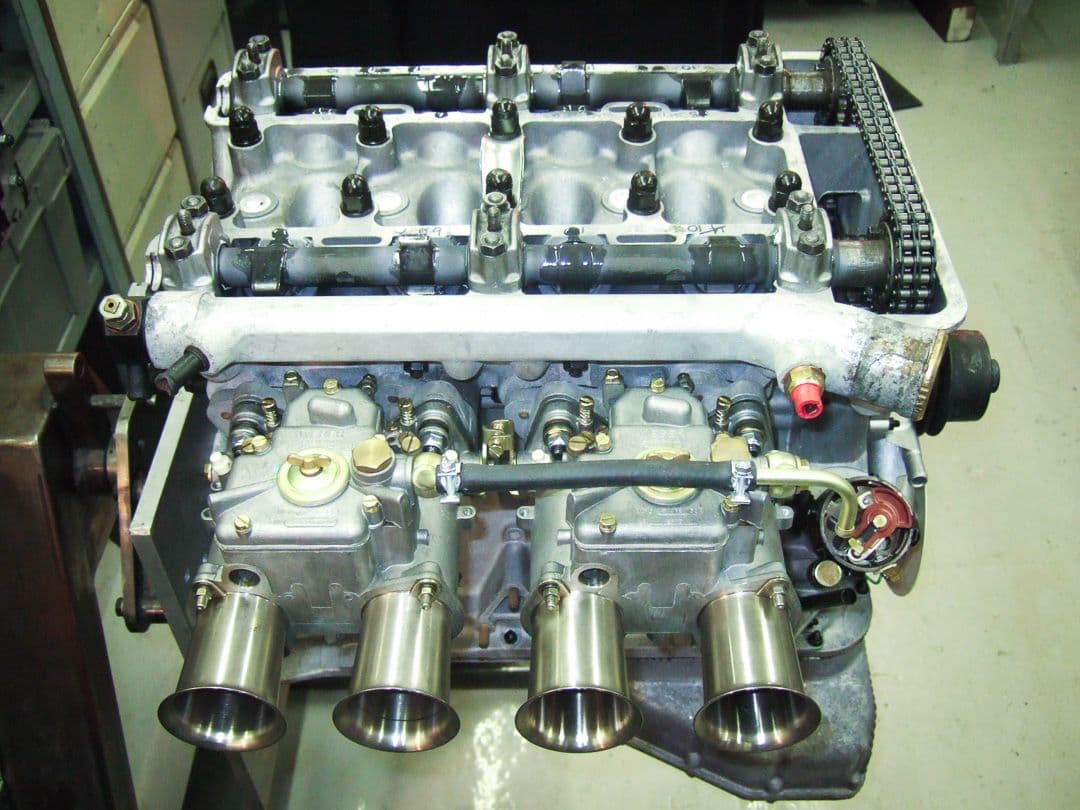
The legendary Alfa twin-cam engine evolved from the earlier 1950 1900cc engine and was introduced in 1954; this engine continued with minor changes until 1997! This particular engine was fitted to a 105 series coupe destined to be a rally car.
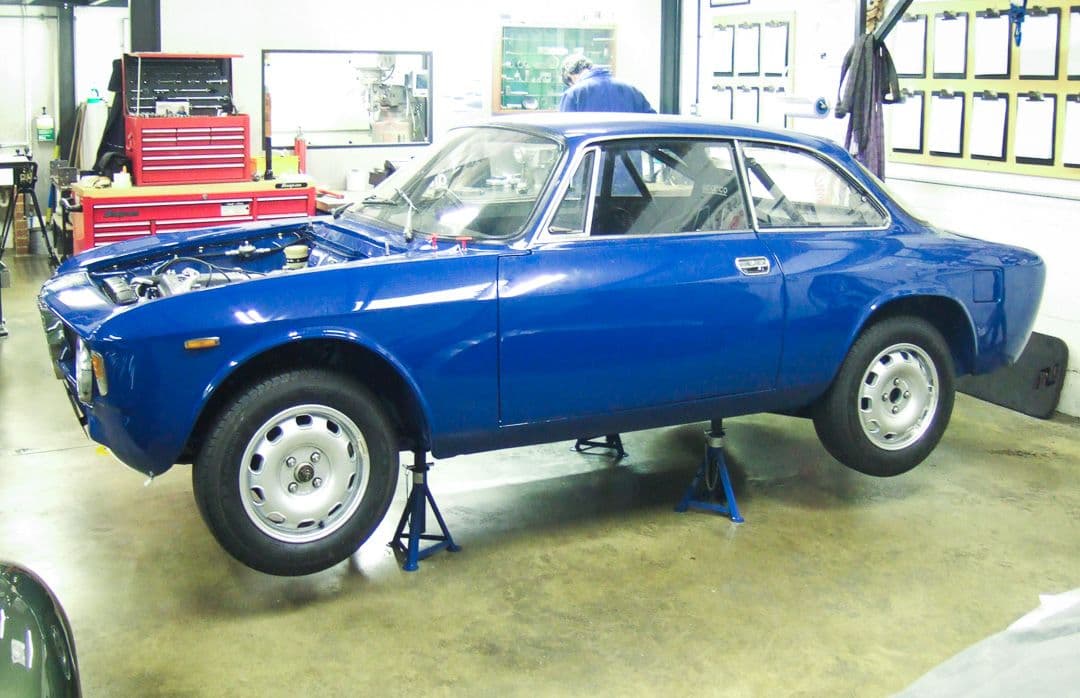
Alfa Romeo 105 1600GT
The legendary Alfa twin-cam engine evolved from the earlier 1950 1900cc engine and was introduced in 1954; this engine continued with minor changes until 1997! This particular engine was fitted to a 105 series coupe destined to be a rally car.
Alvis 12/50
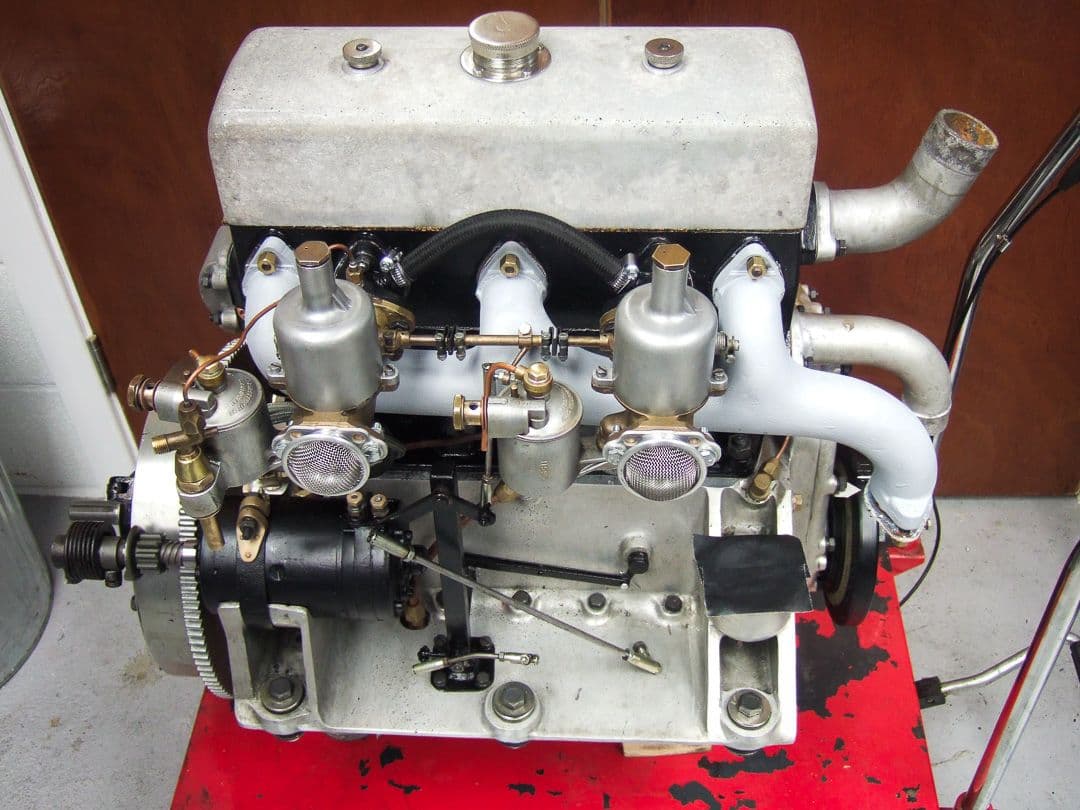
Bought and expertly restored by the owner who wanted to take the car Continental touring. Larger capacity, higher compression, and a fast road camshaft provided much extra torque and power to keep up with modern traffic.
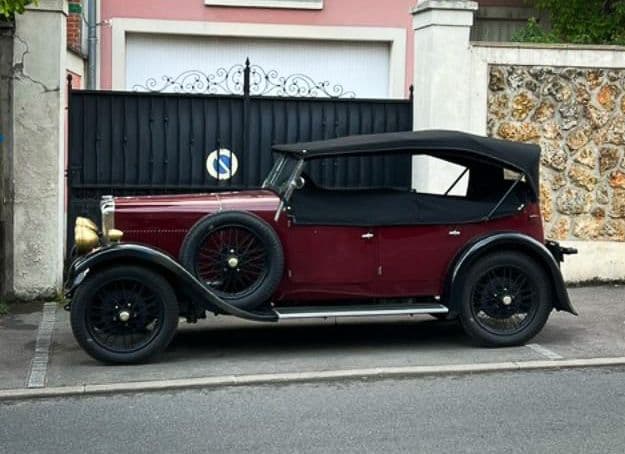
Alvis 12/50
Bought and expertly restored by the owner who wanted to take the car Continental touring. Larger capacity, higher compression, and a fast road camshaft provided much extra torque and power to keep up with modern traffic.
Aston Martin DB2/4 Mk2
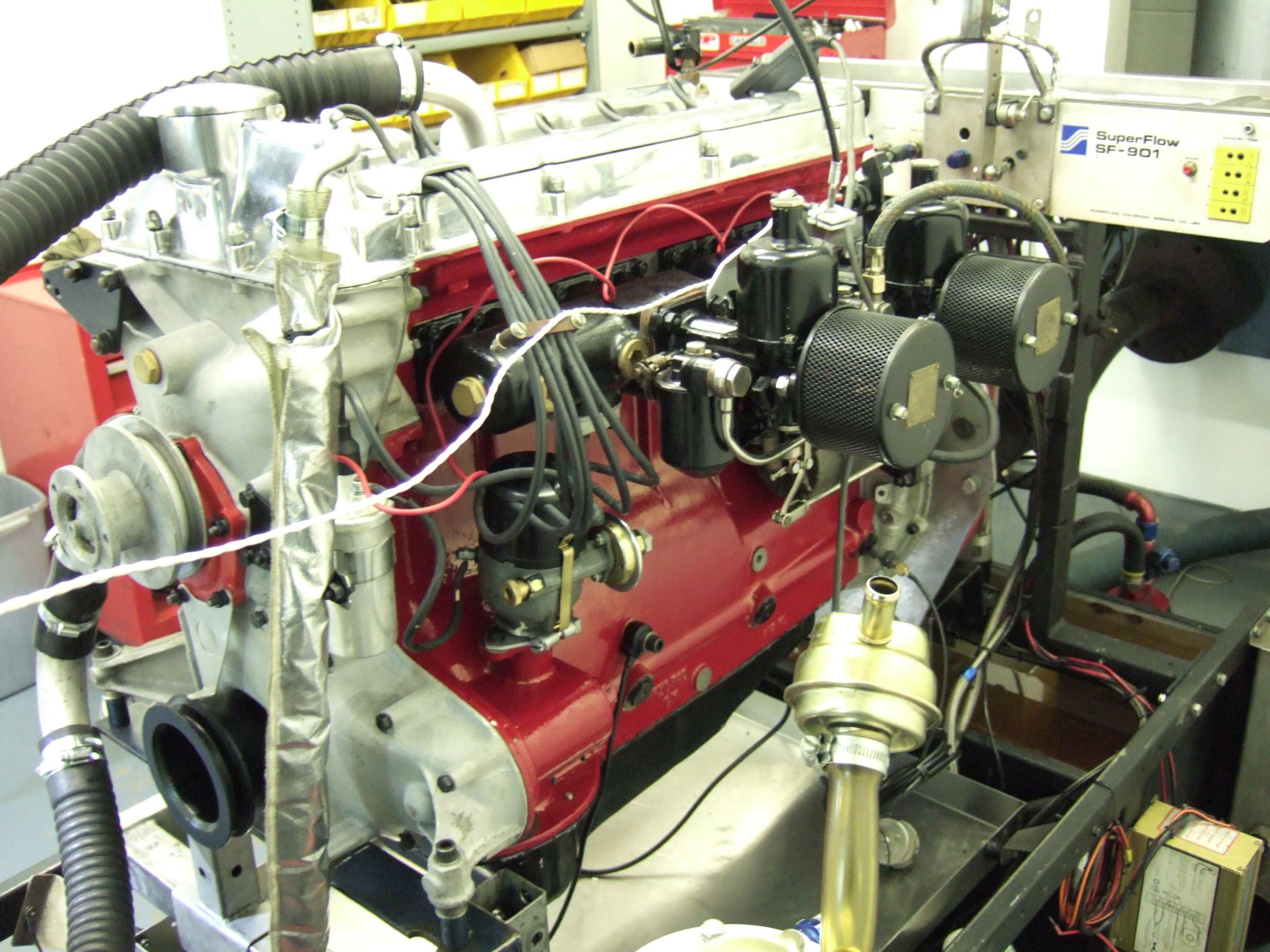
Aston Martin 2.6 and 3.0 litre VB6 type engine, in this instance installed in a beautiful green DB2/4 Mk2. 3.0 litre. The VB6 type engine design was overseen by W.O. Bentley and started with 105 bhp, we can now offer this type of engine with a range of tune from 125bhp to over 250 bhp.
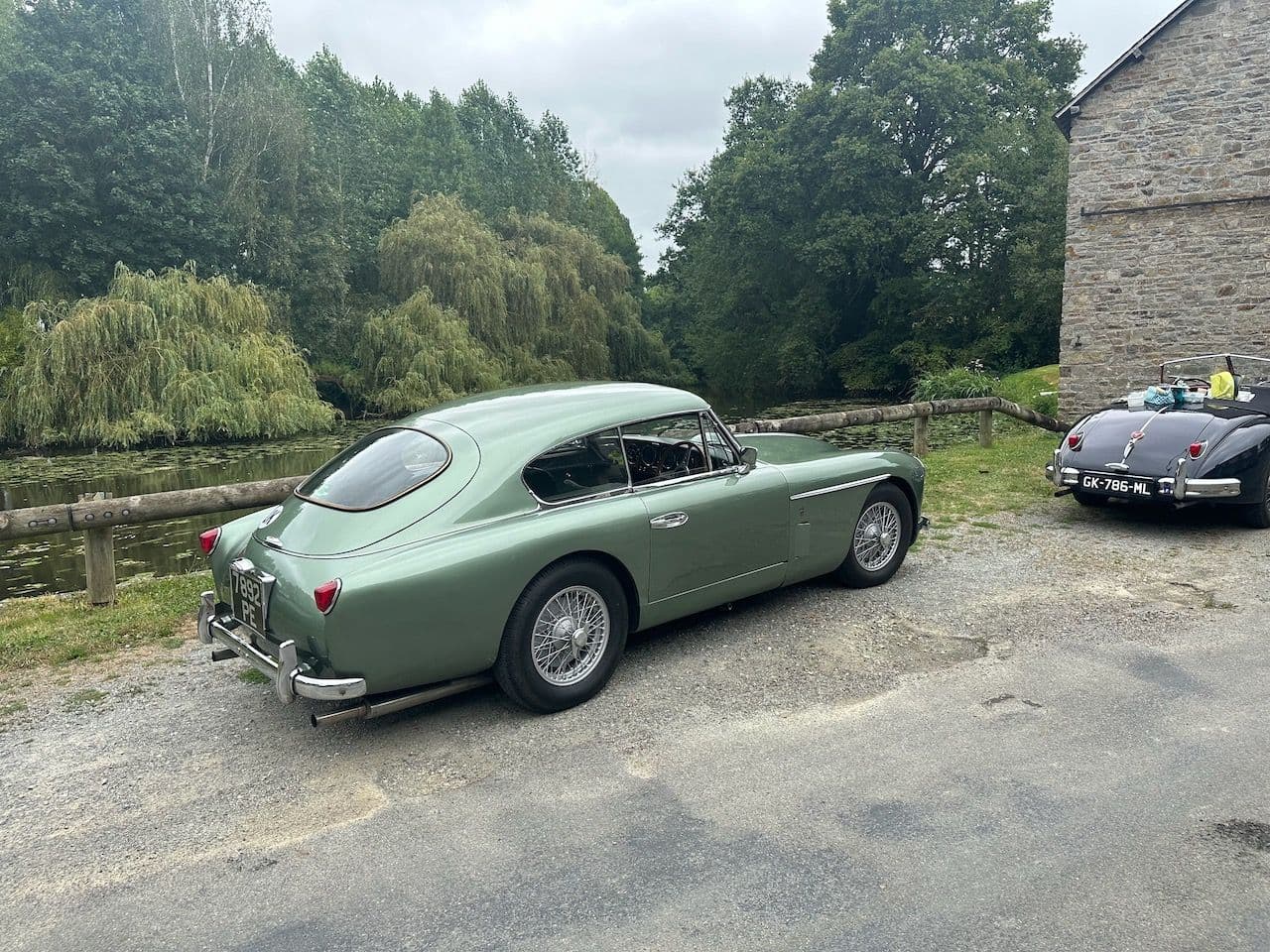
Aston Martin DB2/4 Mk2
Aston Martin 2.6 and 3.0 litre VB6 type engine, in this instance installed in a beautiful green DB2/4 Mk2. 3.0 litre. The VB6 type engine design was overseen by W.O. Bentley and started with 105 bhp, we can now offer this type of engine with a range of tune from 125bhp to over 250 bhp.
Aston Martin DB5 4.2 litre
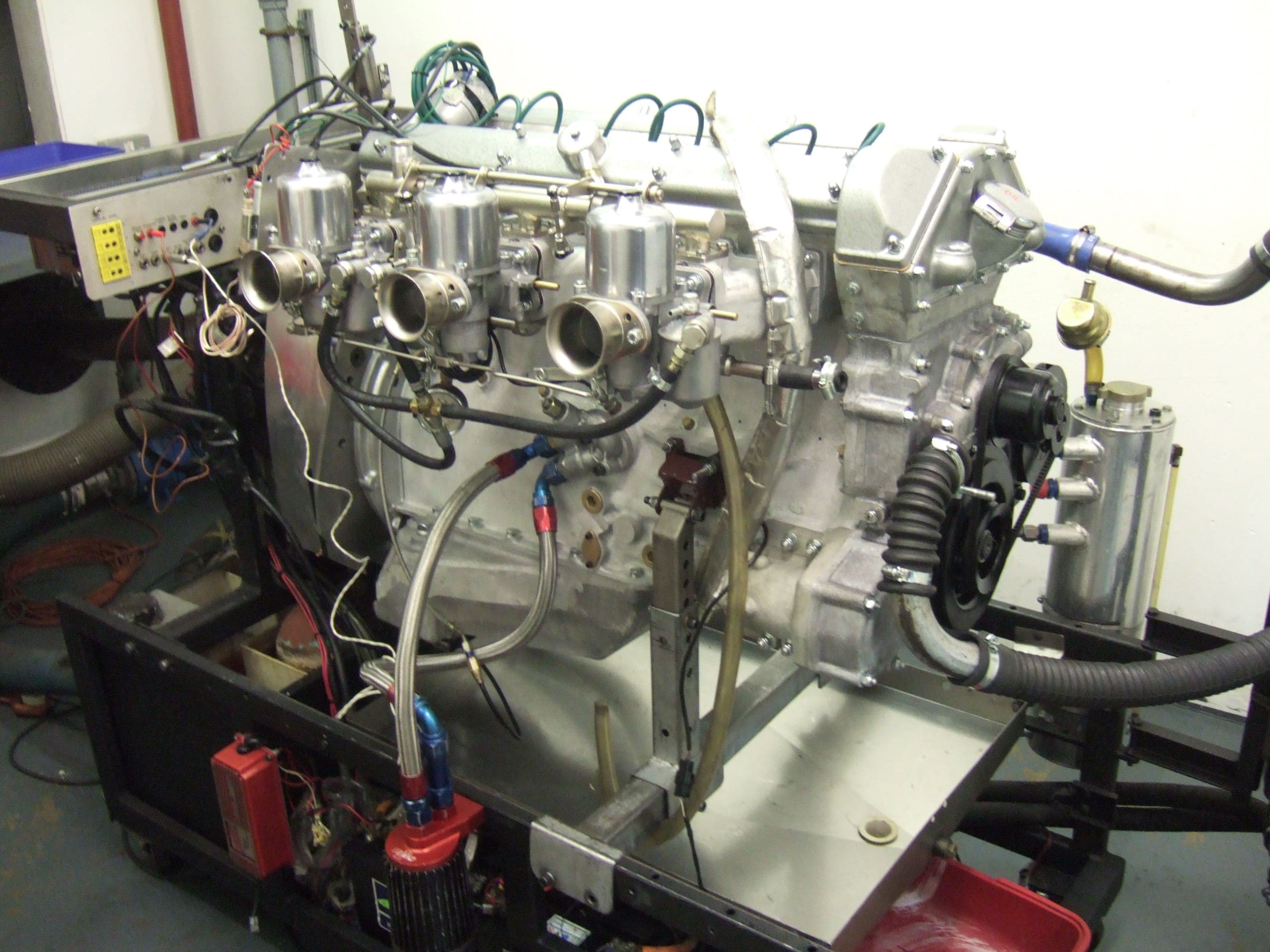
Aston Martin DB 4/5/6 engine available in 3.7 to 4.7 litre capacity with stages of power output. 4.5 litre capacity engine specifically for lightweight race cars also available.
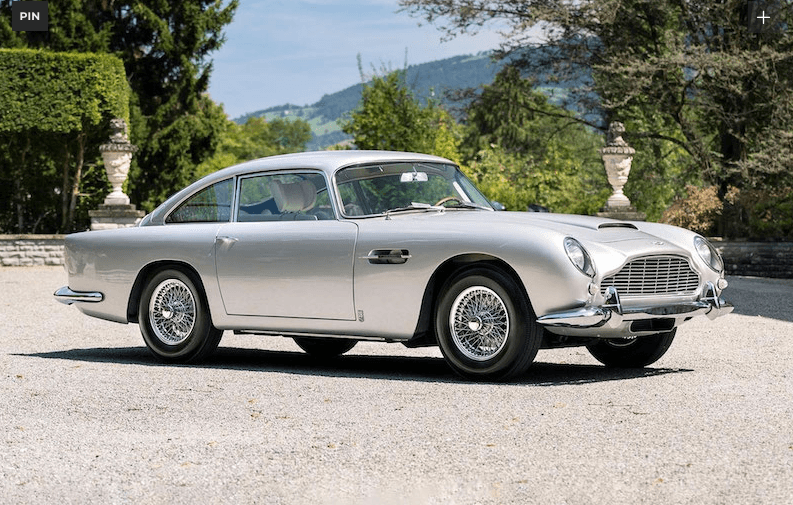
Aston Martin DB5 4.2 litre
Aston Martin DB 4/5/6 engine available in 3.7 to 4.7 litre capacity with stages of power output. 4.5 litre capacity engine specifically for lightweight race cars also available.
Ferrari 625A
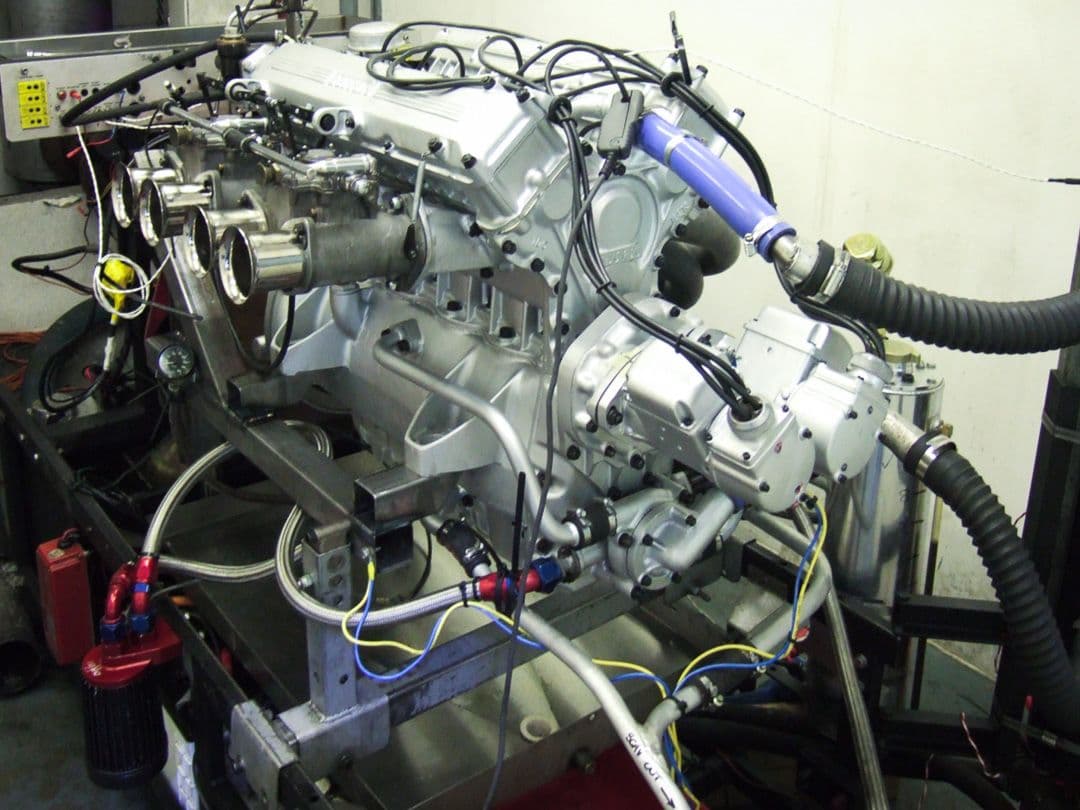
Chassis 0482 was originally a 2-litre Ferrari 500 that competed in World Championship races in 1952 and 1953. Regulation changes in 1954 allowed a 2½-litre engine to be fitted, and the car was redesignated a Type 625. Later in 1954, a 2942cc engine from a Ferrari 735 sports car was installed; this is the format the engine was rebuilt to in 2007.
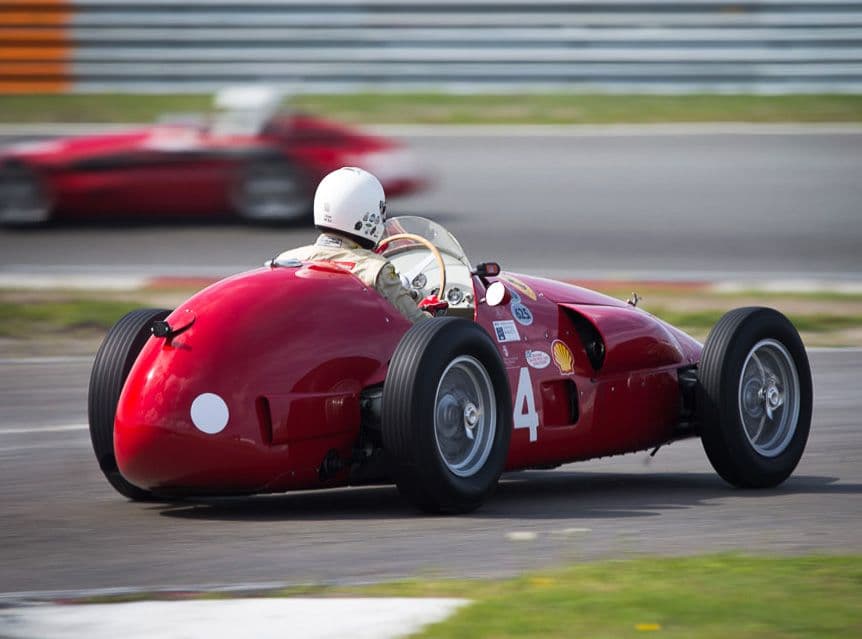
Ferrari 625A
Chassis 0482 was originally a 2-litre Ferrari 500 that competed in World Championship races in 1952 and 1953. Regulation changes in 1954 allowed a 2½-litre engine to be fitted, and the car was redesignated a Type 625. Later in 1954, a 2942cc engine from a Ferrari 735 sports car was installed; this is the format the engine was rebuilt to in 2007.
Ferrari Gipsy P272

A sports prototype car developed through collaborations between Paolo Cassoni, Giancarlo Guidetti, and Alberto Laurenti, with a Ferrari Dino 2.0-liter V6 engine plus Lucas fuel injection and a dry sump conversion. The car was designed for the Sport Prototype 2000 series, and it participated in races at Monza in 1971, the Nürburgring in 1972, and frequently competed in hill climbs.
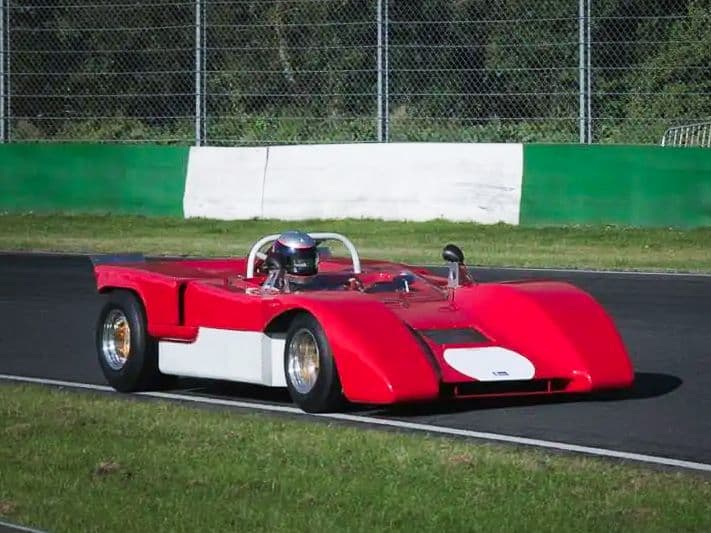
Ferrari Gipsy P272
A sports prototype car developed through collaborations between Paolo Cassoni, Giancarlo Guidetti, and Alberto Laurenti, with a Ferrari Dino 2.0-liter V6 engine plus Lucas fuel injection and a dry sump conversion. The car was designed for the Sport Prototype 2000 series, and it participated in races at Monza in 1971, the Nürburgring in 1972, and frequently competed in hill climbs.
HWM Jaguar (Chassis 52106)
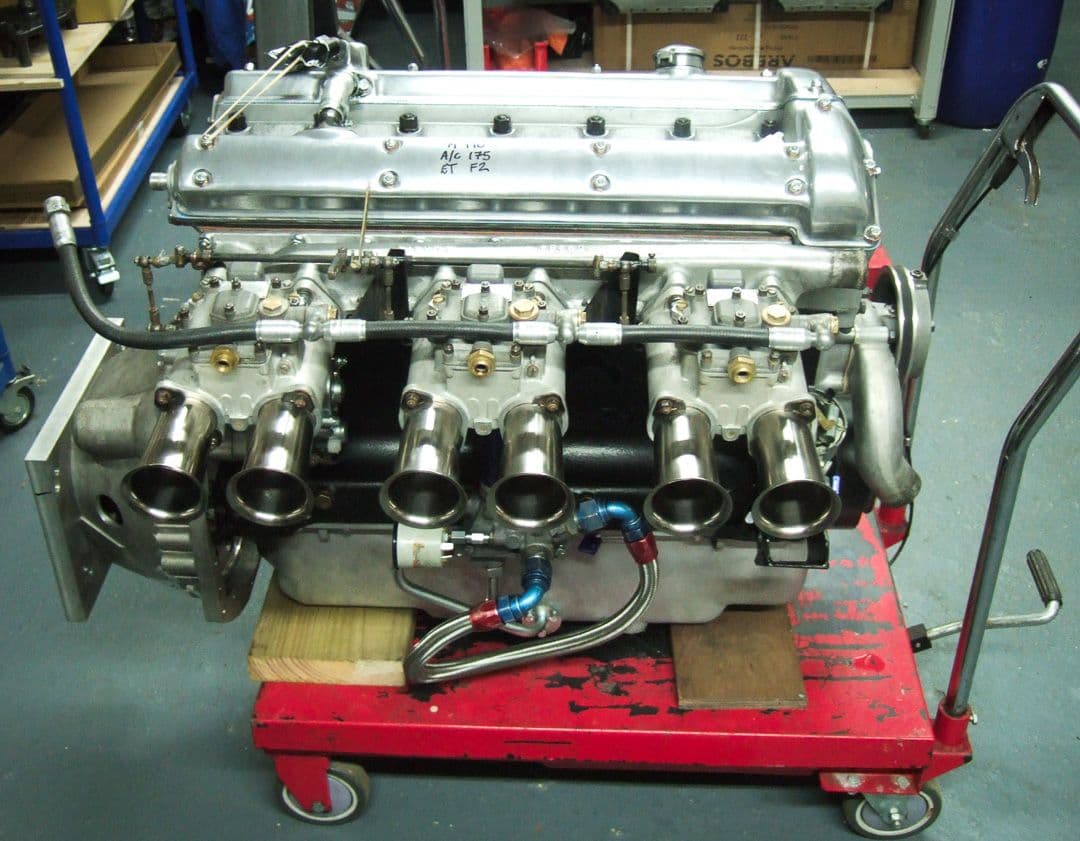
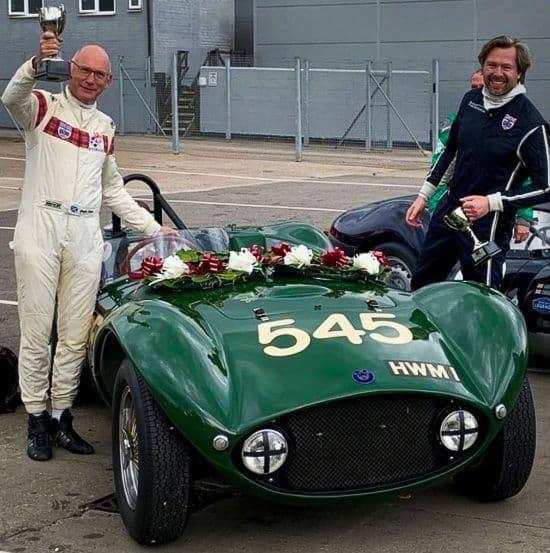
The famous ex-works car, chassis 52106. Painted in its original green and bears the same competition number, 545, as it did in the 1956 Mille Miglia. It won the Woodcote Trophy race at Donington driven by Gregor Fisken and Sam Hancock.
HWM Jaguar (Chassis 52106)
The famous ex-works car, chassis 52106. Painted in its original green and bears the same competition number, 545, as it did in the 1956 Mille Miglia. It won the Woodcote Trophy race at Donington driven by Gregor Fisken and Sam Hancock.
HWM Jaguar (XPA 748)
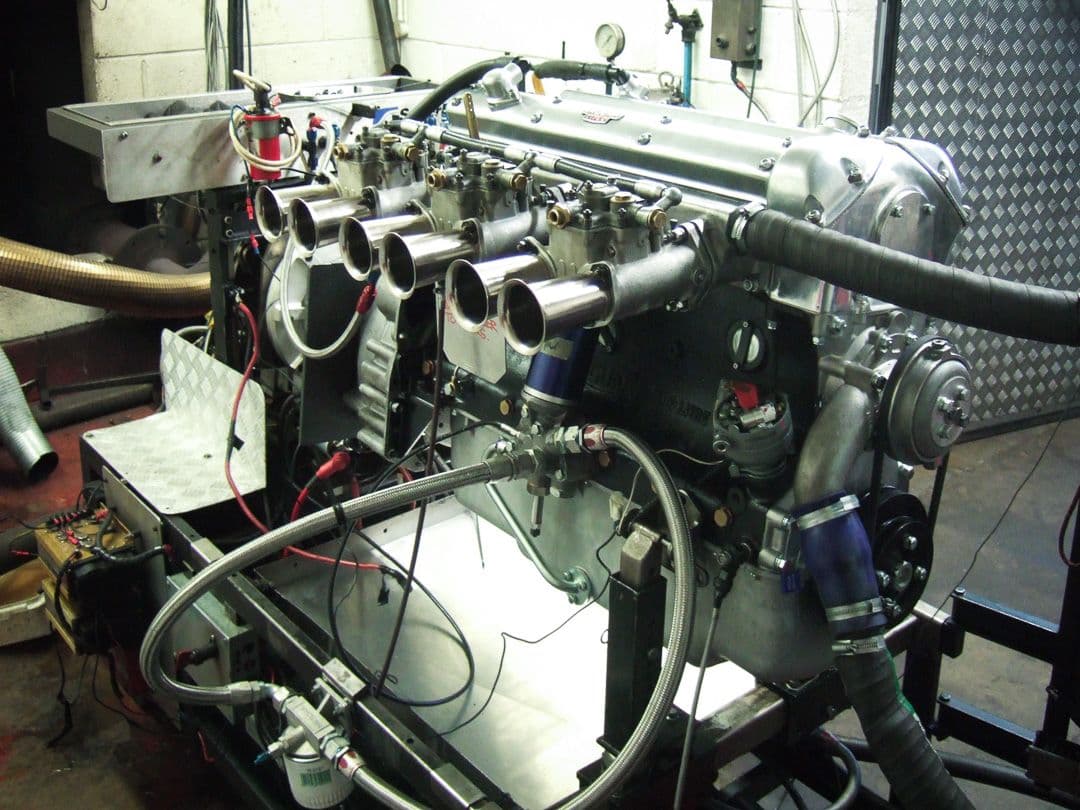
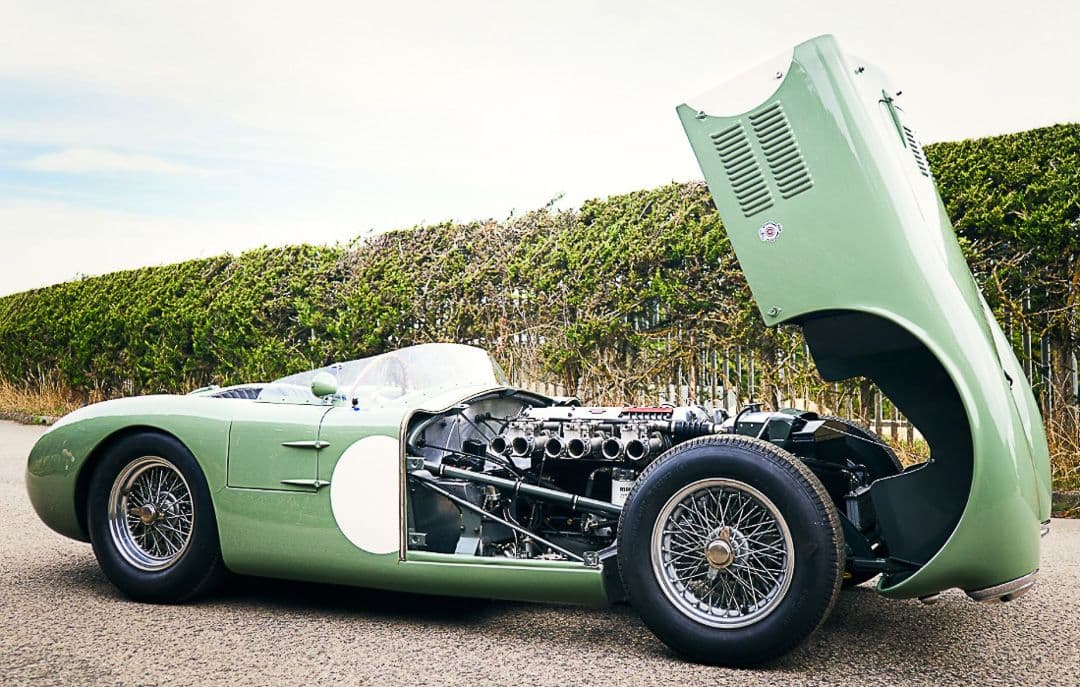
Outstandingly restored in recent years by specialist David Brazell, XPA 748 again wears its historic period colour scheme. This HWM has continued its racing ways, winning the 2022 and 2024 Woodcote Trophy for pre-1956 sports-racers at the Silverstone Classic and Goodwood Revival respectively.
HWM Jaguar (XPA 748)
Outstandingly restored in recent years by specialist David Brazell, XPA 748 again wears its historic period colour scheme. This HWM has continued its racing ways, winning the 2022 and 2024 Woodcote Trophy for pre-1956 sports-racers at the Silverstone Classic and Goodwood Revival respectively.
Hispano-Suiza 8A
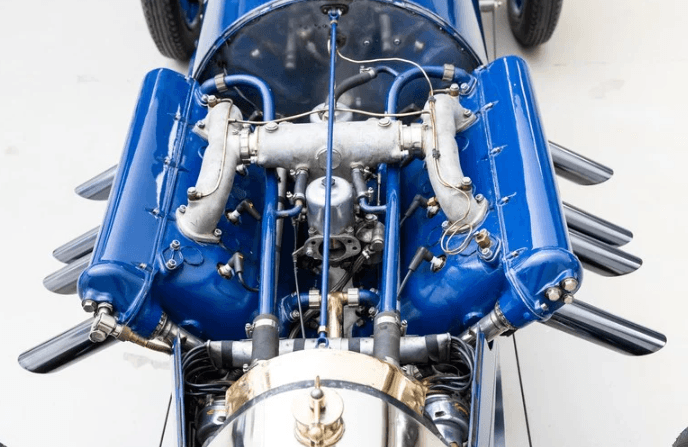
Photo by William I'Anson Limited
The Hispano-Suiza 8 was the most produced aero engine series of World War I with 49,893 units manufactured during the conflict. This particular engine was rebuilt to be refitted into the Bequet Delage created by Maurice Bequet in 1925. This truly amazing vehicle is for sale via William I'Anson Limited.
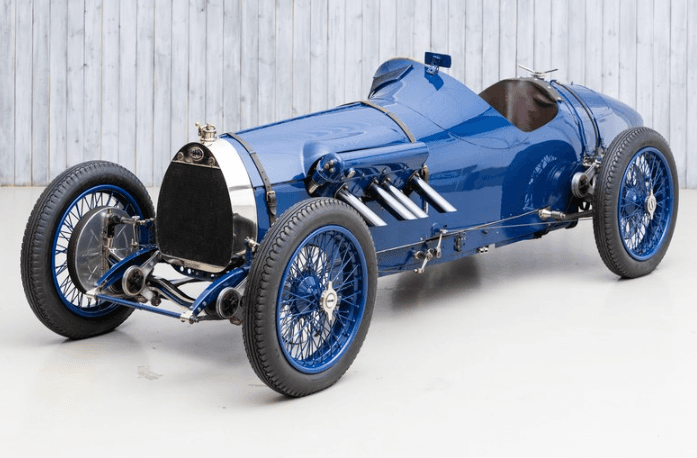
Photo by William I'Anson Limited
Photo by William I'Anson Limited
Hispano-Suiza 8A
The Hispano-Suiza 8 was the most produced aero engine series of World War I with 49,893 units manufactured during the conflict. This particular engine was rebuilt to be refitted into the Bequet Delage created by Maurice Bequet in 1925. This truly amazing vehicle is for sale via William I'Anson Limited.
Photo by William I'Anson Limited
Jaguar D type XKD 518
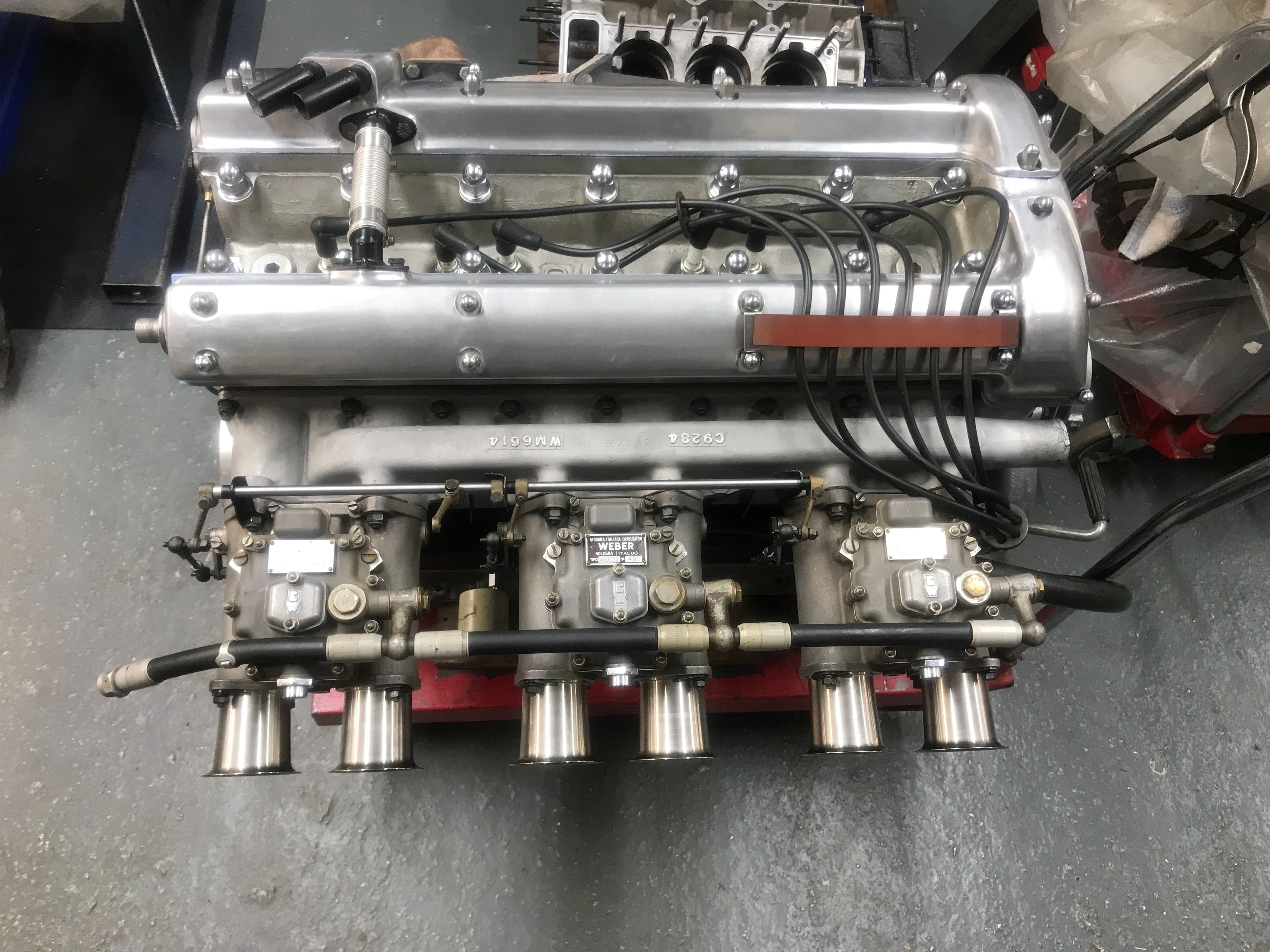
Jaguar XKD 518 in rare and distinctive period correct red with red interior. Sympathetically restored with the emphasis on keeping originality by specialist David Brazell. A who's who of owners, purchased new from Bernie Ecclestone by racer Peter Blond, passed to Jean Bloxham and Led Zeppelin manager Peter Grant.

Jaguar D type XKD 518
Jaguar XKD 518 in rare and distinctive period correct red with red interior. Sympathetically restored with the emphasis on keeping originality by specialist David Brazell. A who's who of owners, purchased new from Bernie Ecclestone by racer Peter Blond, passed to Jean Bloxham and Led Zeppelin manager Peter Grant.
Jaguar Hansgen Special
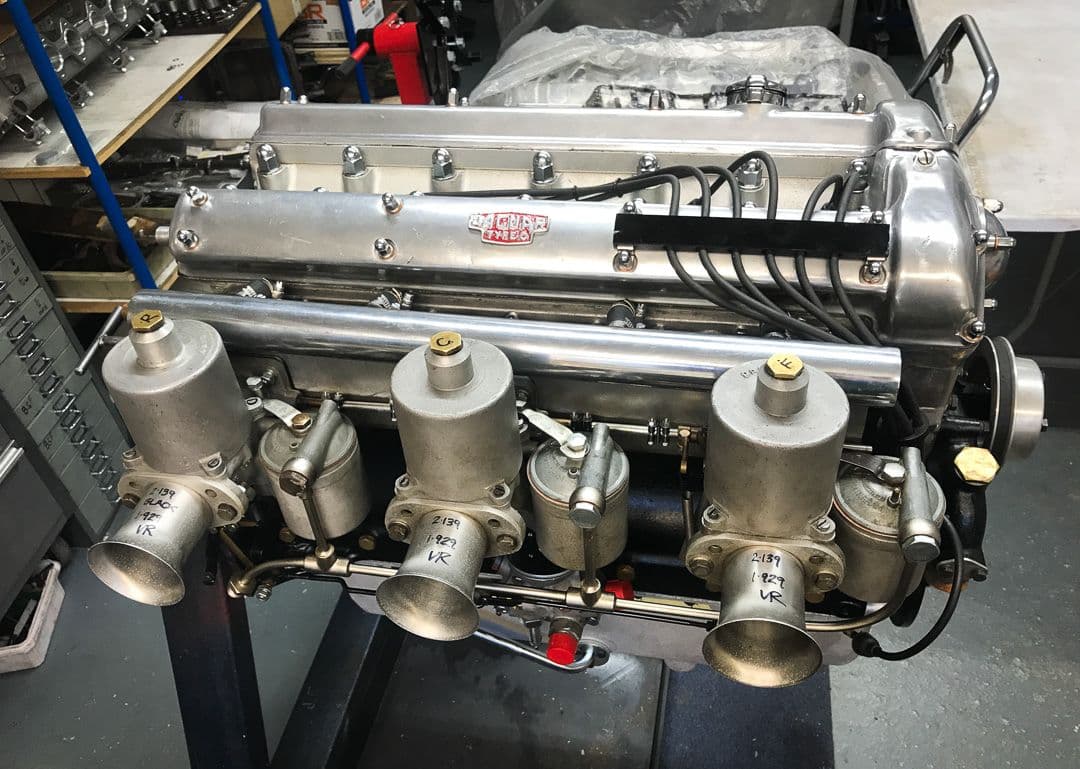
A hugely important piece of American and Jaguar racing history. Built in America by Walt Hansgen, his father, and special body by Emil Hoffman, the Hansgen was lighter than an XK120 on which it was based by 300kg. A 3.4 Jaguar engine with a unique inlet manifold allowing 3 x 2" sand-cast SU carbs to be fitted provided the power to beat much of the opposition.

Jaguar Hansgen Special
A hugely important piece of American and Jaguar racing history. Built in America by Walt Hansgen, his father, and special body by Emil Hoffman, the Hansgen was lighter than an XK120 on which it was based by 300kg. A 3.4 Jaguar engine with a unique inlet manifold allowing 3 x 2" sand-cast SU carbs to be fitted provided the power to beat much of the opposition.
Lotus VIII SAR 5
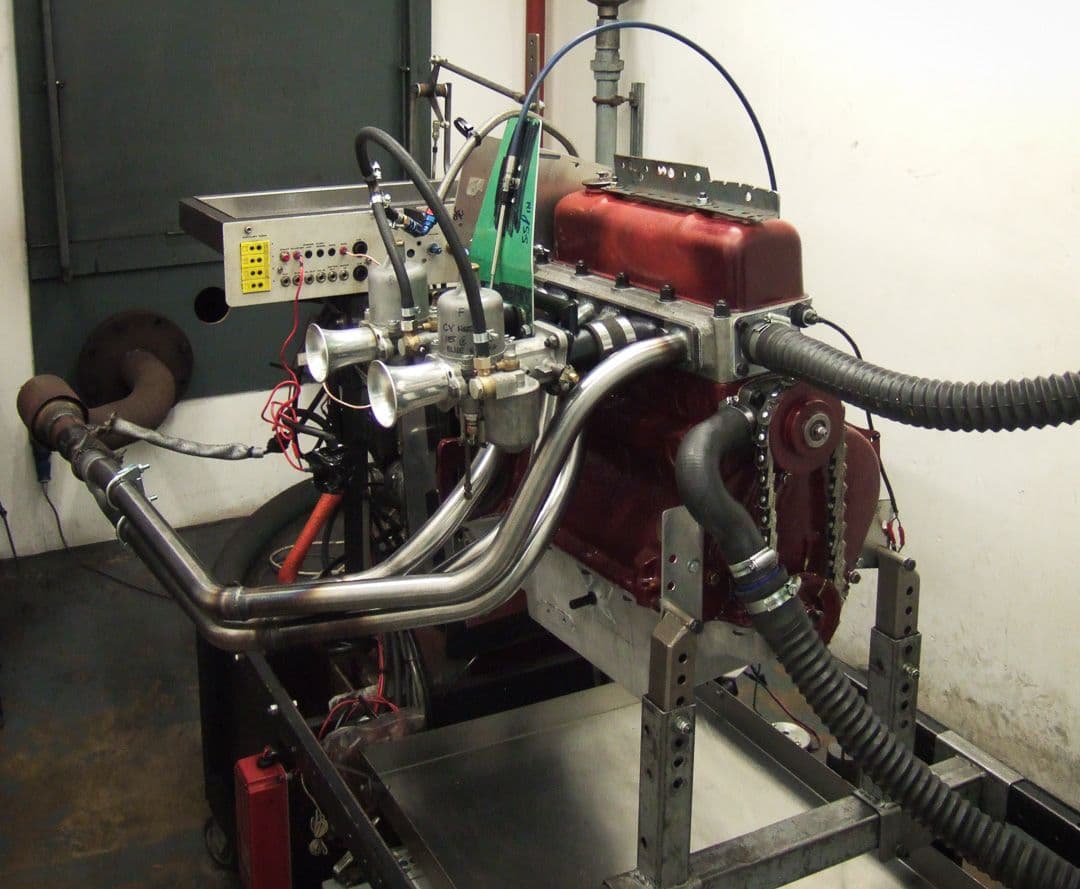
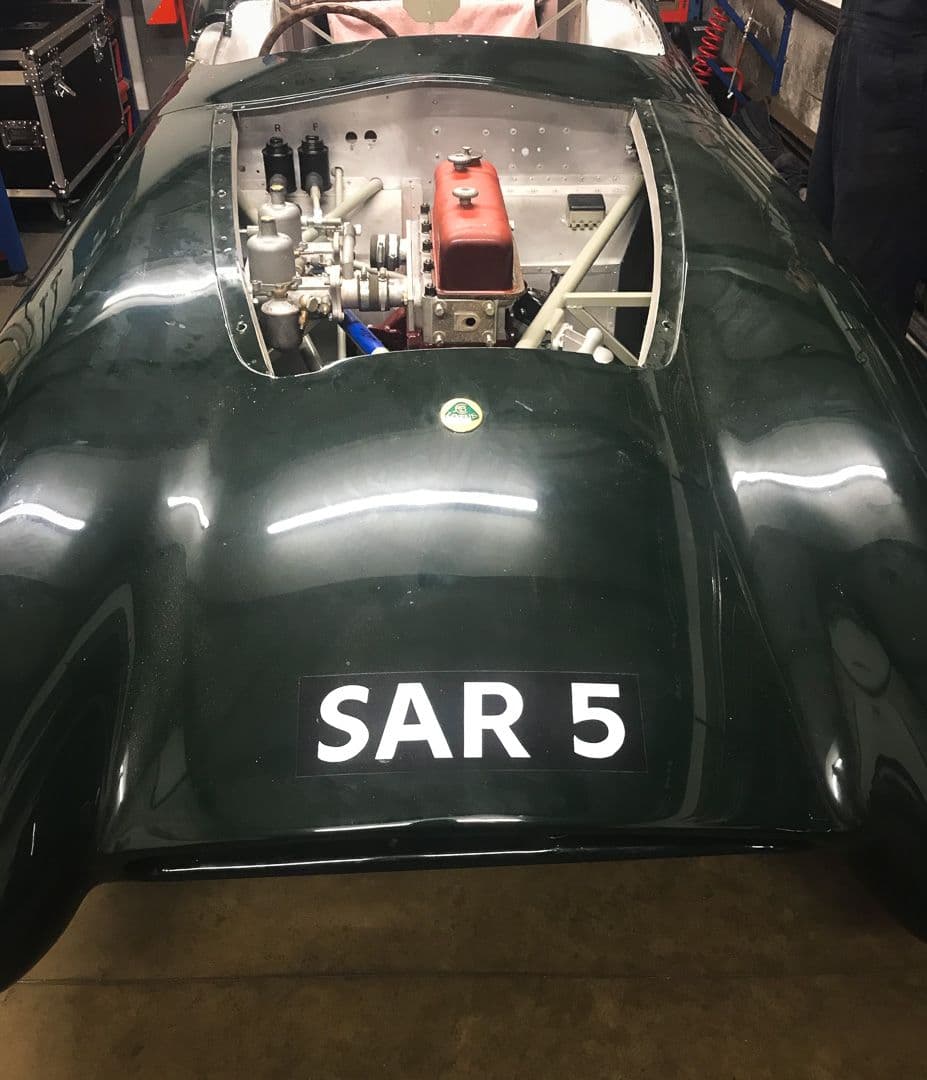
The legendary Lotus Mark VIII that beat Porsche at the 1954 British Grand Prix, found and restored to its original condition by Colin's son Clive Chapman in 2021. John built its period-correct engine from scratch to the exact specifications that helped establish Lotus' legacy.
Lotus VIII SAR 5
The legendary Lotus Mark VIII that beat Porsche at the 1954 British Grand Prix, found and restored to its original condition by Colin's son Clive Chapman in 2021. John built its period-correct engine from scratch to the exact specifications that helped establish Lotus' legacy.
Lotus XI

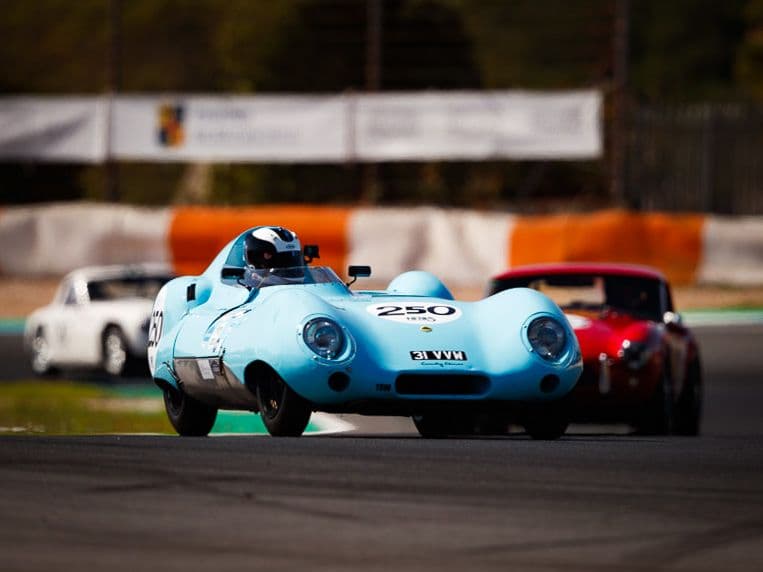
Series 1 Le Mans, chassis 550, fitted with Coventry Climax FWB 1460cc single-cam engine and period Weber 40 DCO3 carbs.
Lotus XI
Series 1 Le Mans, chassis 550, fitted with Coventry Climax FWB 1460cc single-cam engine and period Weber 40 DCO3 carbs.
Lotus XV
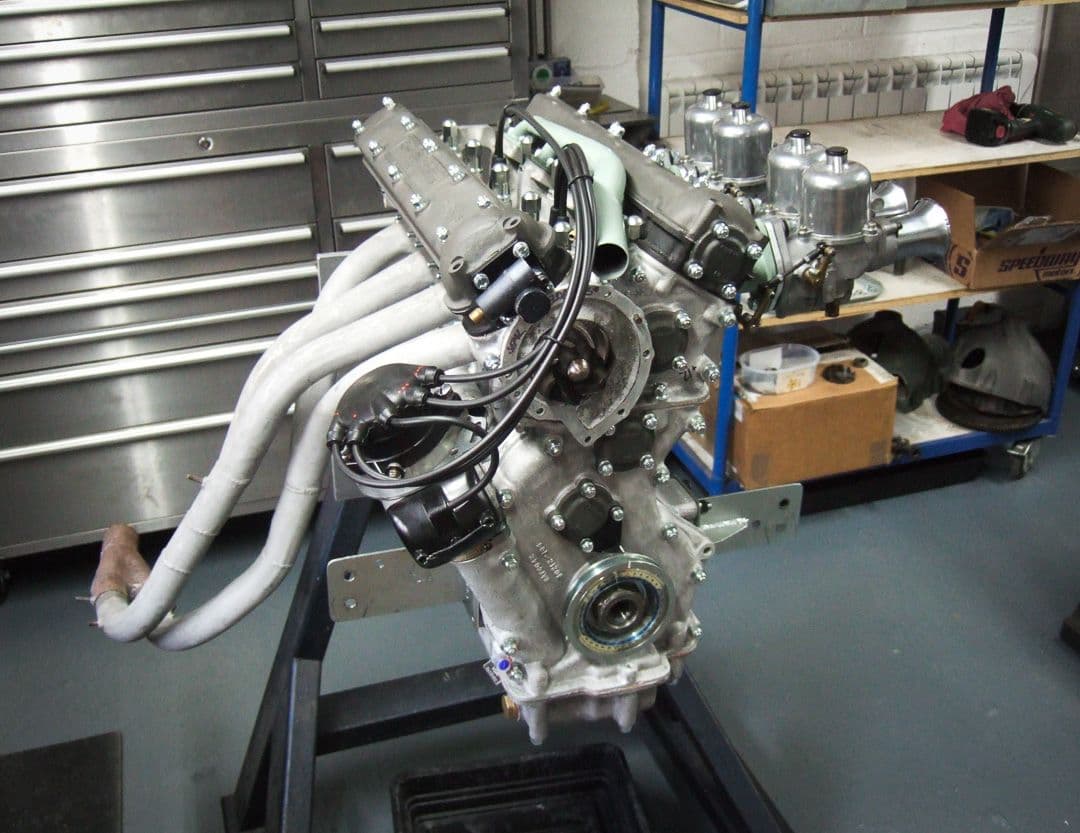
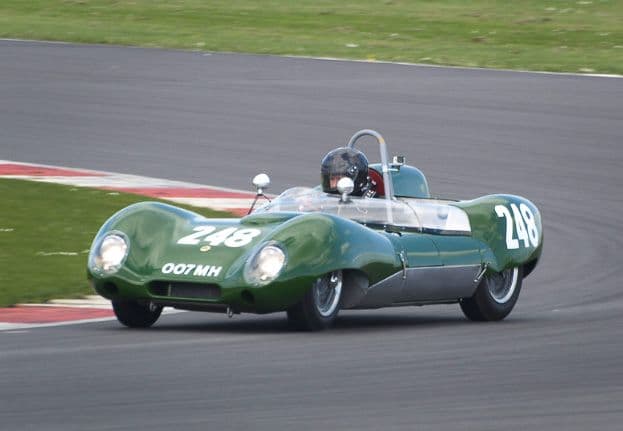
Chassis 603 features a Coventry Climax 2.0 FPF engine and a streamlined aluminum body over a tubular space frame. This front-engine, rear-wheel-drive sports racer had Coventry Climax FPF engines ranging from 1.5 to 2.5 litres, giving it the heart of a Formula Two car. Lotus' own sequential transaxle, affectionately dubbed the "Queerbox," kept things interesting. This particular car has period SU DU6 carbs fitted.
Lotus XV
Chassis 603 features a Coventry Climax 2.0 FPF engine and a streamlined aluminum body over a tubular space frame. This front-engine, rear-wheel-drive sports racer had Coventry Climax FPF engines ranging from 1.5 to 2.5 litres, giving it the heart of a Formula Two car. Lotus' own sequential transaxle, affectionately dubbed the "Queerbox," kept things interesting. This particular car has period SU DU6 carbs fitted.
Porsche 914/6 GT
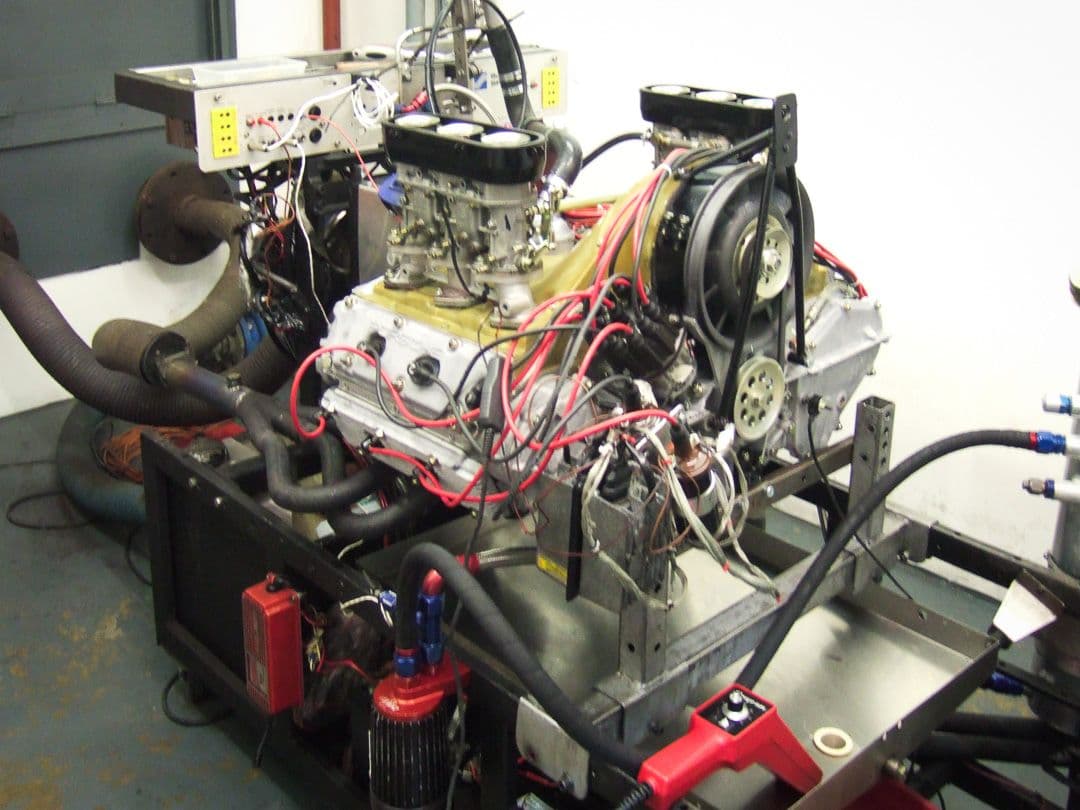
A historically significant ex-works Porsche 914/6 GT, one of Porsche's earliest experimental test cars, fitted with the first-ever 914/6 engine. John rebuilt the engine as a twin-spark 2.0-litre S specification delivering 230 bhp for period racing, and additionally built a twin-spark 2.7-litre engine specifically for European hill climb events.

Porsche 914/6 GT
A historically significant ex-works Porsche 914/6 GT, one of Porsche's earliest experimental test cars, fitted with the first-ever 914/6 engine. John rebuilt the engine as a twin-spark 2.0-litre S specification delivering 230 bhp for period racing, and additionally built a twin-spark 2.7-litre engine specifically for European hill climb events.
Simca Abarth 2.0 GT
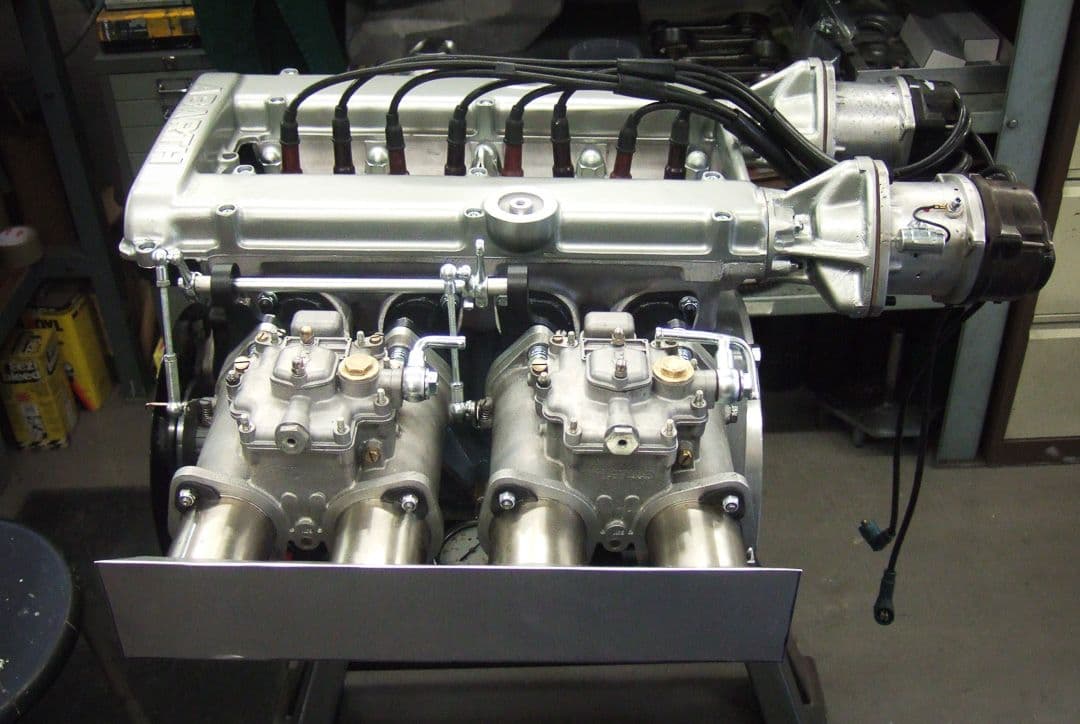
This rare Abarth Simca 2000 represents one of the most advanced Italian performance cars of the 1960s, capable of an impressive 168mph from its 210 bhp engine. John rebuilt the complex 2-litre Abarth engine to period specifications, preserving the importance of this car's history.

Simca Abarth 2.0 GT
This rare Abarth Simca 2000 represents one of the most advanced Italian performance cars of the 1960s, capable of an impressive 168mph from its 210 bhp engine. John rebuilt the complex 2-litre Abarth engine to period specifications, preserving the importance of this car's history.
Image Attribution
If you recognise any of the images in our gallery and believe they belong to you or require specific credit, please contact me.
Get in Touch